

Have you ever wondered why it feels so difficult to stop scrolling?
You tell yourself that you are only going to open TikTok for a few minutes, but suddenly you realize that an hour has already passed.
Why does your brain prefer watching endless short videos instead of doing something more meaningful?
You already know that spending hours scrolling is not helping your future, yet you still find yourself coming back to it again and again.
The truth is, you are experiencing something that many modern humans struggle with the effects of cheap dopamine.
The constant pursuit of cheap dopamine can make it extremely difficult to break free from endless scrolling and instant entertainment.
What Is Dopamine Actually?
Dopamine is a type of monoamine neurotransmitter, a chemical messenger in the brain that is derived from amino acids.
Chemically, dopamine belongs to a group called catecholamines because of its molecular structure. In the body, dopamine is produced through a process where the amino acid tyrosine is converted into L-DOPA, which is then transformed into dopamine.
Many people refer to dopamine as the “happiness chemical,” but this description is actually an oversimplification.
Dopamine is not simply responsible for making us feel happy.
It plays a much more complex role in the brain, including motivation, learning, memory, attention and focus, movement control, sleep regulation, and reward processing
Maintaining a balanced dopamine system is important for healthy brain function.
Too little or too much dopamine activity can contribute to various mental health problems, including difficulties with motivation, learning, mood regulation, and addiction.
What Is Cheap Dopamine?
Cheap dopamine refers to getting quick rewards with little or no effort.
It comes from activities that provide instant stimulation, such as endless social media scrolling, watching short-form videos, eating highly processed foods, playing video games excessively, and consuming unlimited entertainment
These activities can create a quick dopamine surge in the brain, but they often do not provide genuine satisfaction or long-term fulfillment.
From an evolutionary perspective, the human brain is designed to seek rewards efficiently. Our ancestors benefited from finding ways to obtain rewards with the least amount of energy because conserving energy increased survival chances.
That same mechanism still exists today.
If your brain is given two choices: Reading a book that requires focus and effort or scrolling TikTok that provides instant entertainment
Your brain will naturally lean toward TikTok because the reward comes faster with much less effort.
Why Is Cheap Dopamine So Addictive?
Dopamine is often associated with reward, but its role is more complicated than simply creating pleasure.
Dopamine is strongly linked to motivation, desire, and the anticipation of rewards.
It encourages us to seek something that our brain expects will feel rewarding.
When you repeatedly expose yourself to high levels of stimulation such as endless short videos, constant notifications, and unlimited entertainment your brain begins to adapt.
Eventually, these high levels of stimulation start to feel normal. As a result reading feels boring, learning feels difficult, deep focus becomes challenging, and being without your phone feels uncomfortable
The problem is not that these activities are naturally boring.
The problem is that your brain has become accustomed to faster and more intense stimulation.
Social Media Works Like a Slot Machine
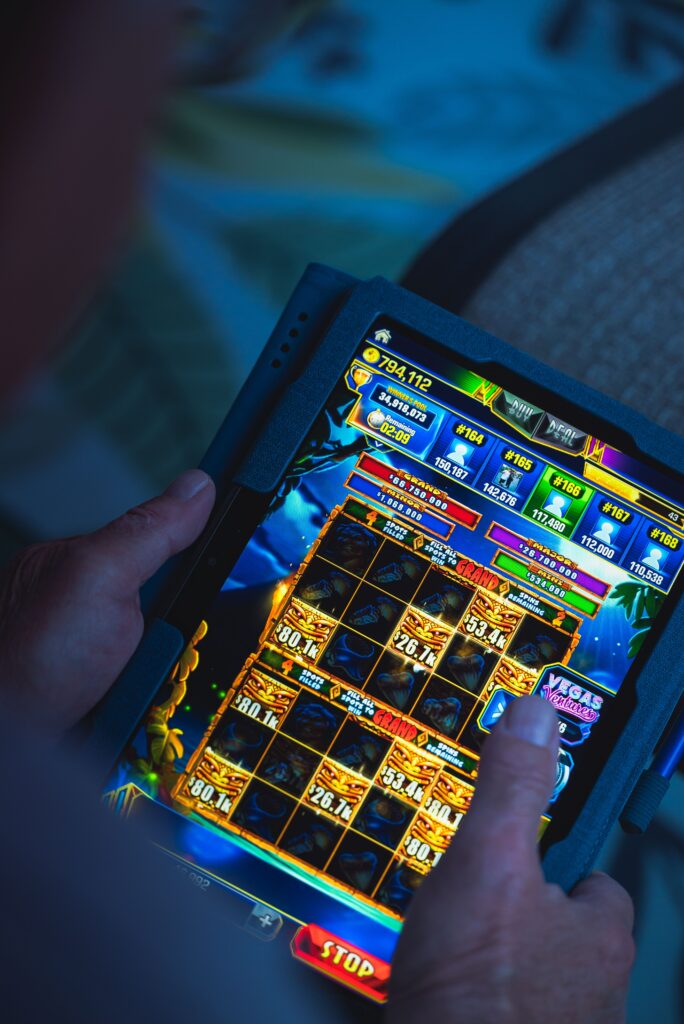
Have you ever wondered why social media can feel so difficult to put down?
One reason is that many platforms use a psychological mechanism similar to gambling machines.
Think about a slot machine.
You never know exactly what reward will come next.
Sometimes you get nothing interesting.
Sometimes you get something exciting.
Sometimes you get something that perfectly matches your interests.
Social media works in a similar way.
When you scroll, you do not know whether the next video will be funny, surprising, inspiring, or entertaining.
This uncertainty keeps your brain searching for the next reward.
Every swipe creates the possibility that something better is coming.
And that keeps you scrolling.
How Cheap Dopamine Creates Bad Habits
Imagine this cycle:
You feel bored > you open TikTok > you receive instant entertainment > you close the app > you return to reality > you feel bored again > you open TikTok.
When this cycle repeats, your brain starts learning a pattern:
“Whenever I feel bored, I should open TikTok.”
Through neuroplasticity, this behavior becomes stronger over time.
The more you repeat the habit, the stronger the neural pathway becomes.
Eventually, reaching for your phone becomes automatic even before you consciously decide to do it.
The Long-Term Effects of Cheap Dopamine
Living in this constant cycle of instant stimulation can affect your ability to focus.
Because your brain becomes used to rapid changes and immediate rewards, slower activities can start feeling extremely difficult.
Activities such as reading books, tudying, learning new skills, and doing deep work
may feel uncomfortable because they do not provide immediate rewards.
Your motivation for long-term goals may also decrease.
Goals like building muscle, developing a career, or mastering a skill require patience and consistency.
But if your brain is constantly trained to expect instant rewards, long-term progress can feel frustrating.
Losing the Ability to Enjoy Simple Things
Another effect of excessive cheap dopamine is that normal life can start feeling less enjoyable.
When your brain constantly receives high levels of stimulation, ordinary moments may feel dull.
For example:
In the past, you might have enjoyed sitting quietly with a warm cup of coffee while listening to the rain.
But now, sitting still for 10 minutes without checking your phone may feel uncomfortable.
Your ability to appreciate simple experiences slowly decreases.
Even after hours of entertainment and endless gaming, you may still feel empty and unsatisfied.
The Choice Is Yours
When you constantly choose instant pleasure, your brain becomes less sensitive to activities that require patience and effort.
However, these slower activities are often the ones that create a more meaningful and fulfilling life in the long run.
Reading.
Learning.
Building skills.
Creating something.
Improving yourself.
They may not provide instant satisfaction, but they create rewards that last much longer.
So the question is:
What kind of life do you want to build?
A life controlled by instant stimulation?
Or a life where you can focus, create, learn, and enjoy meaningful experiences?
The choice starts with the habits you repeat every day.